

Call for applications "Manassaki" scholarships
M.Sc. in MATERIALS SCIENCE AND ENGINEERING
ENG ΕΛΛ

M.Sc. program in
Materials Science and Engineering

About the Program

The master's degree in Materials Science and Engineering provides education and training on the principles and applications of materials science with focus on advanced materials design and engineering in nanotechnology, biomaterials, clean energy and environment. It is designed to cultivate and fully prepare the next generation of specialists in one of the most critical and rapidly evolving interdisciplinary fields today.

The program advances materials science and engineering through active research, the development of innovative materials, and the education of young scientists equipped with exceptional career prospects. Students gain an integrated perspective on materials — one that connects structure and composition directly to properties and real-world performance.

The program in a nutshell

Academic Semesters
4
ECTS Credits
120
Maximum number of students per year
30
Language of instruction
English
Starts
October and February each year
Tuition fees (waived for citizens of the European Economic Area)
2000€

Director: Assoc. Prof. Dimitris Papazoglou

Program Structure & Teaching

  • The program spans four academic semesters, full-time, with the possibility of extension.
  • Teaching is delivered primarily in person, with optional synchronous distance learning components that may not exceed 30% of total program credits.
  • All coursework and dissertation preparation are conducted in English, reflecting the program's international orientation and commitment to preparing graduates for a global scientific community.

Learning Outcomes

Graduates of this program acquire deep knowledge, abilities, and practical skills across the full breadth of materials science and engineering. The program integrates academic rigor with research-led learning to prepare students for high-impact roles in industry, research, and academia.

Career Prospects

Upon successful completion, graduates are equipped to apply their expertise in private and public sector organizations, manufacturing and production units, research institutions, and higher education settings.

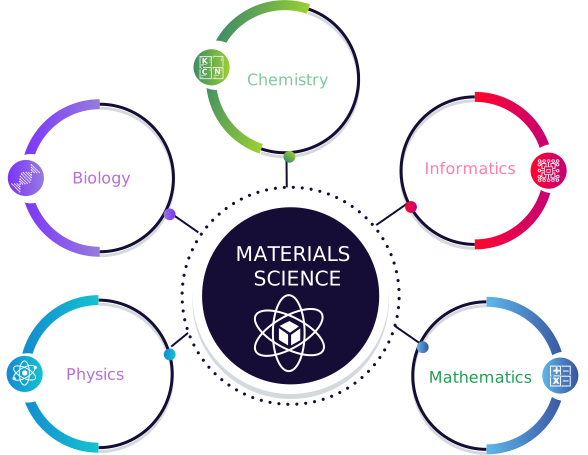
Image showing the different disciplines which compose Materials Science

Specialization areas

Graduates of the program are trained in the key areas of research and education activities of our department:

  • Optoelectronics
  • Magnetic materials
  • Nanoscience and nanotechnology
  • Polymers and colloids
  • Theoretical and computational materials science
  • Synthetic materials chemistry
  • Biomaterials and biomolecules
  • Materials engineering
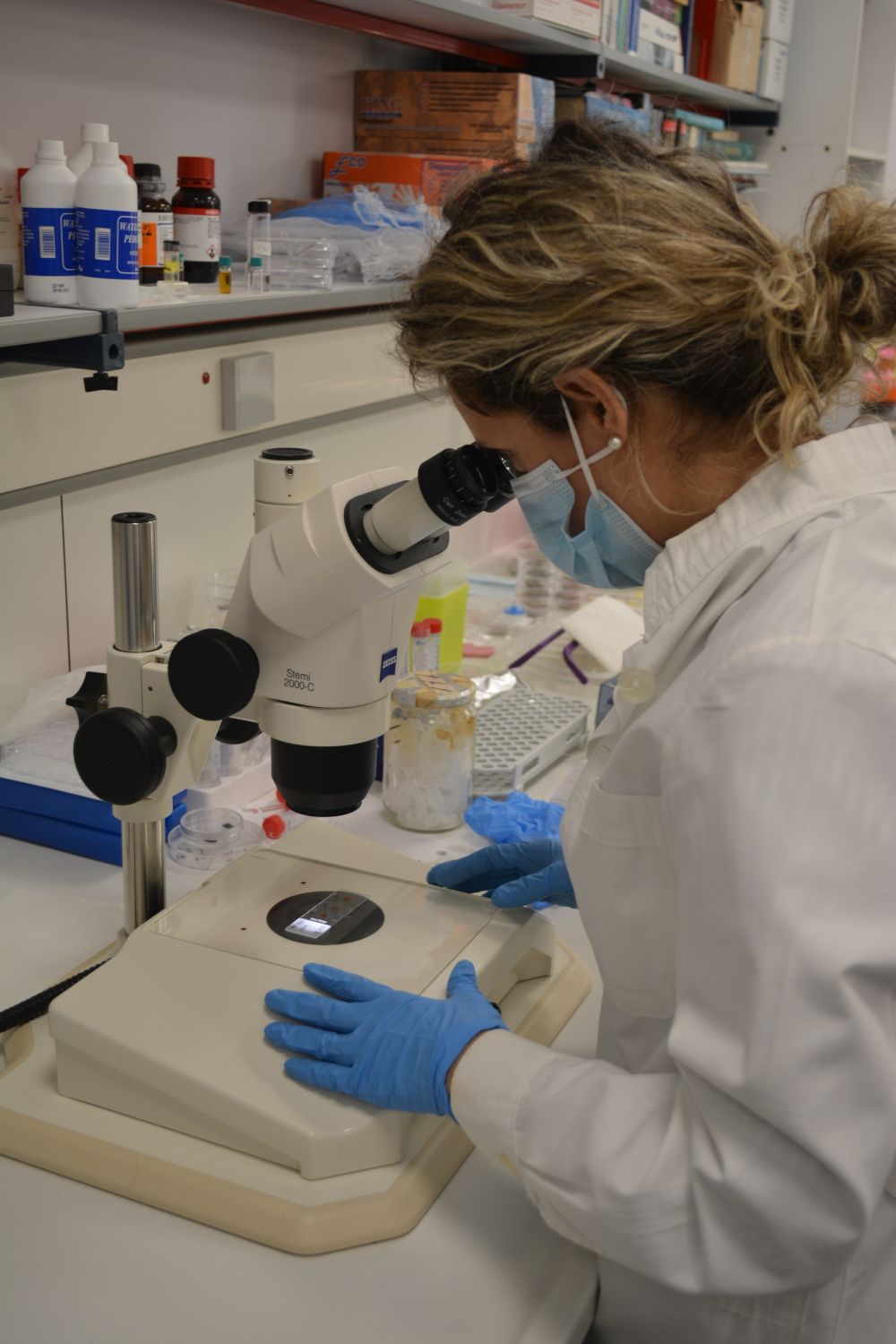
Student conducting an experiment

Admission Policy

The program welcomes graduates of universities or former higher technological education institutions — domestic or from recognized foreign institutions — whose undergraduate subject is related to materials science or a cognate discipline. Candidates who are expected to complete their degree requirements before the start of the new academic year are also eligible to apply.

Required criteria

Undergraduate grade
Your degree GPA is a primary selection factor.
Personal interview
All shortlisted candidates are assessed through an interview.
English proficiency
At least B2 level per the Common European Framework of Reference.

Additional factors considered

  • Performance in undergraduate modules related to materials science.
  • Duration of undergraduate studies relative to the standard program length
  • Undergraduate dissertation, where applicable, in a field related to the program's subject
  • Any prior research experience.
  • Letters of recommendation (up to three).
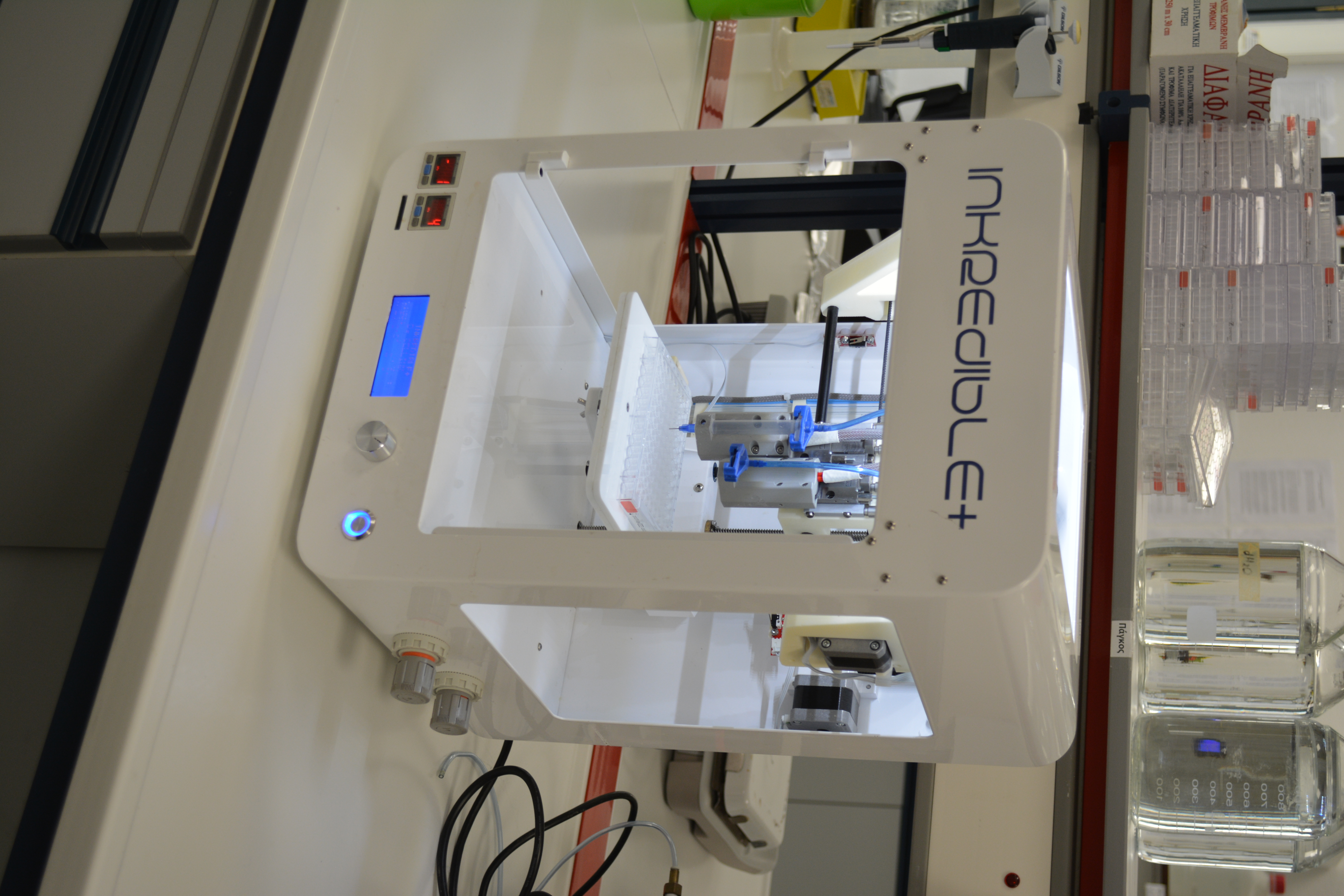
Photo of a 3D Printer

Financial matters

Tuition Fees

Students from countries outside the European Economic Area are required to pay tuition fees totaling €2000 for the full duration of the program. This is split into equal annual installments of €1000, payable in October (or February), at the start of each academic year.

All financial obligations must be settled in full before a certificate of completion or the Postgraduate Diploma can be issued.

Consult the refund policy of the tuition fee.
Financial assistance

There are possibilities for limited financial assistance (excellence scholarships, research assistantships).

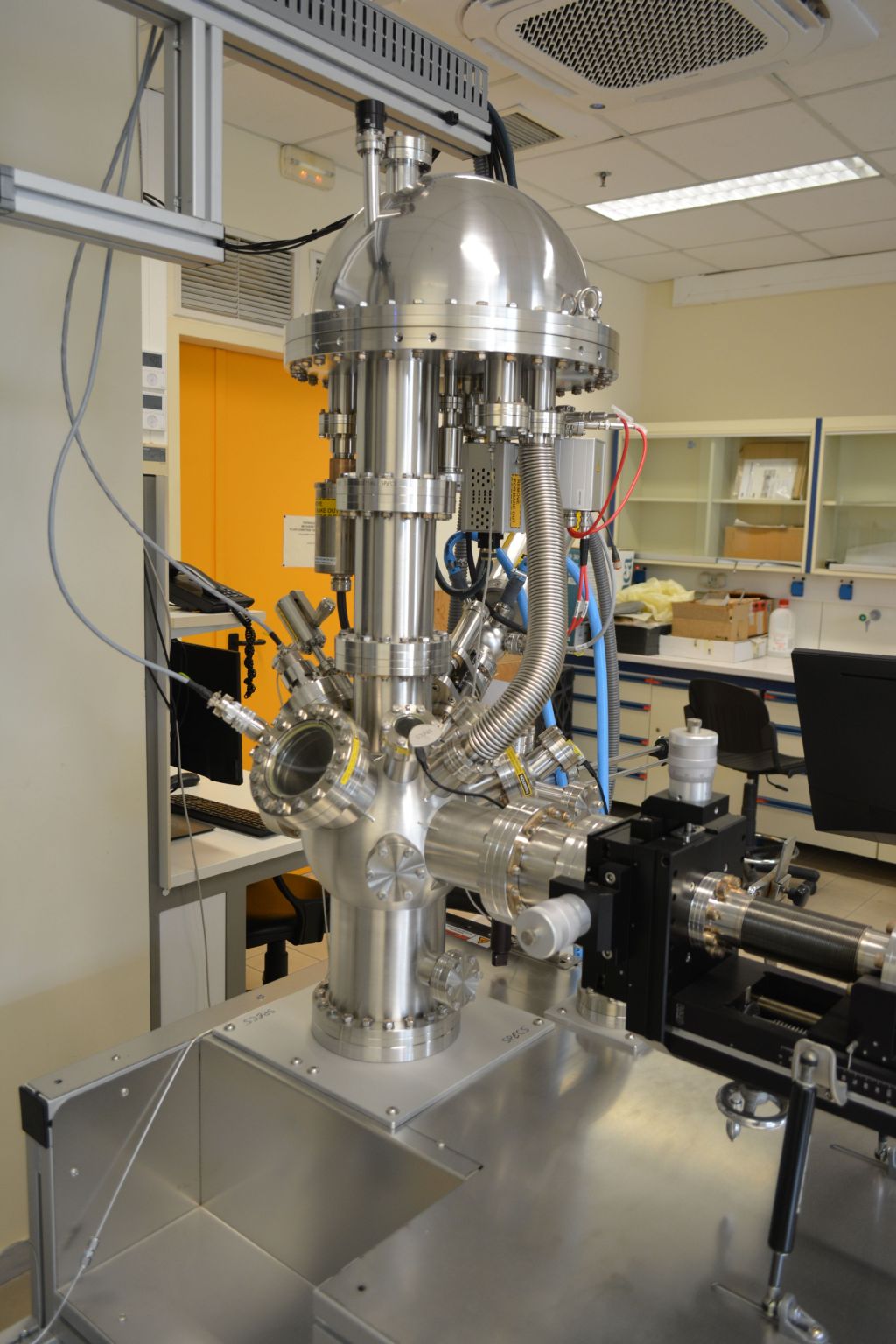
XRD instrument

Information and Support

Visit UoC logo
Useful info about the campuses and the location
UoC Welcome office logo
Support for incoming foreign students
© 2026 MSc in Materials Science & Engineering, University of Crete